Defining the American Pizzeria
A pizzeria is a specialized food service establishment dedicated primarily to the preparation and service of pizza. While many restaurants may offer pizza as part of their menu, a true pizzeria distinguishes itself through its focused commitment to pizza as the core offering, supported by specialized equipment, trained personnel, and operational workflows optimized specifically for pizza production. This specialization allows pizzerias to develop expertise and consistency in pizza preparation that general restaurants typically cannot match.
The American pizzeria concept emerged from Italian-American communities in the early 20th century, evolving from simple neighborhood establishments serving traditional Italian-style pizzas to the diverse range of pizzeria formats found across the United States today. Despite this evolution, the fundamental definition remains consistent: a restaurant where pizza preparation and service constitute the primary business activity and culinary focus.
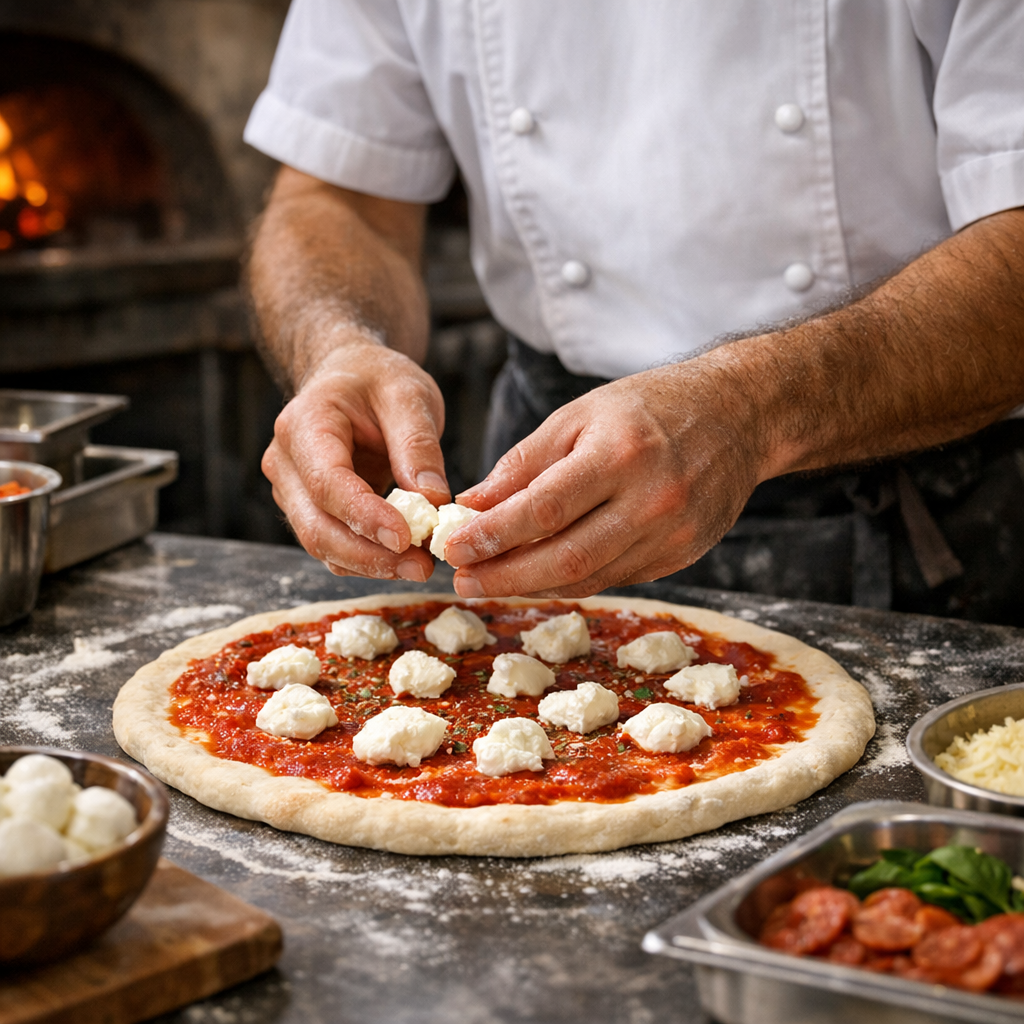
Fresh ingredients and careful preparation are hallmarks of quality pizzerias
The Dine-In Pizzeria Experience
Dine-in pizzerias offer customers the opportunity to enjoy their meals on-site in a restaurant setting. These establishments typically feature dining areas designed to accommodate groups of various sizes, reflecting the communal nature of pizza consumption. The atmosphere in dine-in pizzerias generally emphasizes casual comfort over formal elegance, creating an environment where customers feel relaxed and welcome to linger over their meals.
The service model in dine-in pizzerias varies but often combines elements of table service with the casual, self-paced nature of pizza dining. Customers may order at their tables, at a counter, or through a combination of both approaches. The focus remains on providing a comfortable environment where groups can share pizzas and enjoy conversation without the pressure or formality of fine dining establishments.
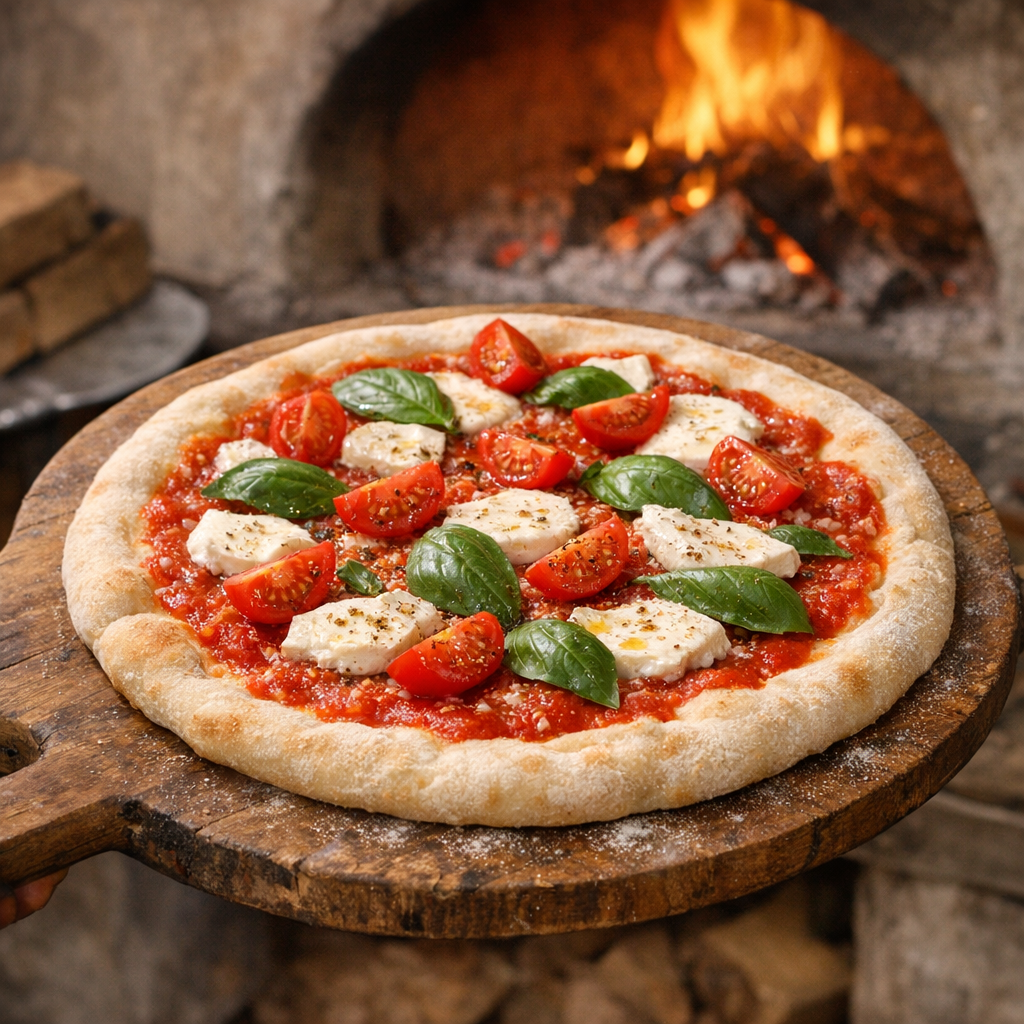
Traditional tools and techniques remain essential to pizzeria operations
Takeaway and Delivery Culture
While dine-in service represents an important aspect of the pizzeria experience, takeaway and delivery have become equally significant components of American pizzeria operations. The portability of pizza makes it ideally suited for takeaway service, and many pizzerias have developed substantial businesses centered around pickup and delivery orders. This dual focus on on-site and off-site consumption has helped pizzerias adapt to changing consumer preferences and lifestyle patterns.
The rise of delivery services, both through pizzeria-operated systems and third-party platforms, has further expanded the reach and accessibility of pizzerias. This evolution has required pizzerias to develop packaging solutions that maintain pizza quality during transport and operational systems that can efficiently manage both dine-in and delivery orders simultaneously. The ability to serve customers across multiple consumption contexts has become a defining characteristic of the modern American pizzeria.
Traditional Preparation Methods
At the heart of every pizzeria lies the pizza preparation process, which combines culinary artistry with technical precision. Traditional pizzerias maintain time-honored methods for dough preparation, sauce creation, and pizza assembly, often following recipes and techniques passed down through generations. These methods emphasize quality ingredients, proper fermentation, and careful attention to detail at each stage of preparation.
The equipment used in pizzerias reflects this commitment to traditional preparation. Pizza ovens, whether wood-fired, gas, or electric, are designed to achieve the high temperatures necessary for proper pizza baking. Workstations are organized to facilitate efficient workflow, and specialized tools such as pizza peels, dough docker, and cutting wheels enable precise execution of preparation tasks. This combination of traditional methods and specialized equipment distinguishes pizzerias from general restaurants that may offer pizza as one item among many.
Regional Variations and Adaptations
While the core definition of a pizzeria remains consistent across the United States, regional variations have emerged that reflect local tastes, ingredients, and cultural influences. From the thin-crust, coal-fired pizzas of New York to the deep-dish style of Chicago, regional pizzeria traditions have developed distinct identities while maintaining the fundamental characteristics that define the pizzeria concept.
These regional variations demonstrate the adaptability of the pizzeria model and its capacity to incorporate local preferences while remaining true to its core purpose. Whether through crust style, sauce composition, topping combinations, or preparation techniques, regional pizzerias have created diverse expressions of the basic pizzeria concept, enriching the overall American pizzeria landscape and offering consumers a wide range of pizza experiences to explore and enjoy.
The Pizzeria's Enduring Appeal
The continued popularity and proliferation of pizzerias across America speaks to their enduring appeal as dining establishments. By combining specialized expertise in pizza preparation with flexible service models and welcoming atmospheres, pizzerias have secured their place as beloved fixtures in American dining culture. Their ability to serve diverse customer needs—from quick family meals to celebratory gatherings—ensures their relevance across changing times and trends.
As both culinary establishments and social spaces, pizzerias occupy a unique position in the American restaurant landscape. They represent the successful integration of immigrant food traditions into mainstream American culture while maintaining the authenticity and quality that make them special. Understanding what defines a pizzeria helps appreciate why these establishments continue to thrive and why they hold such significance in American communities nationwide.